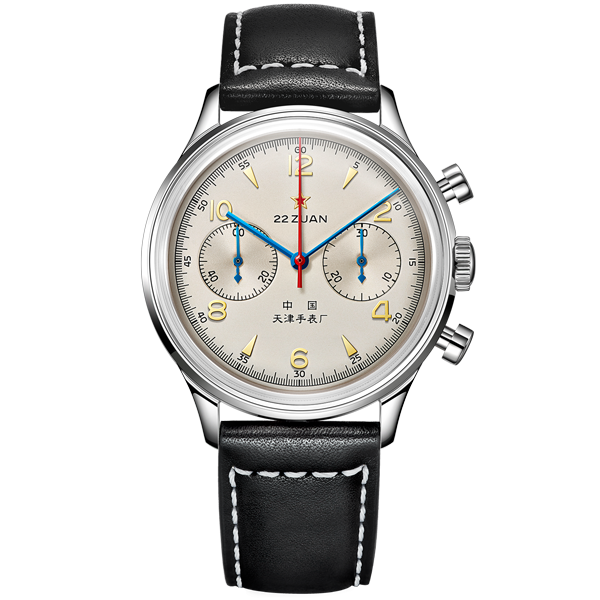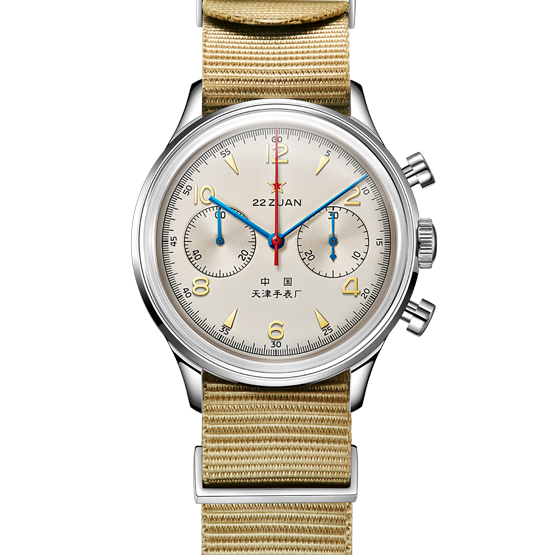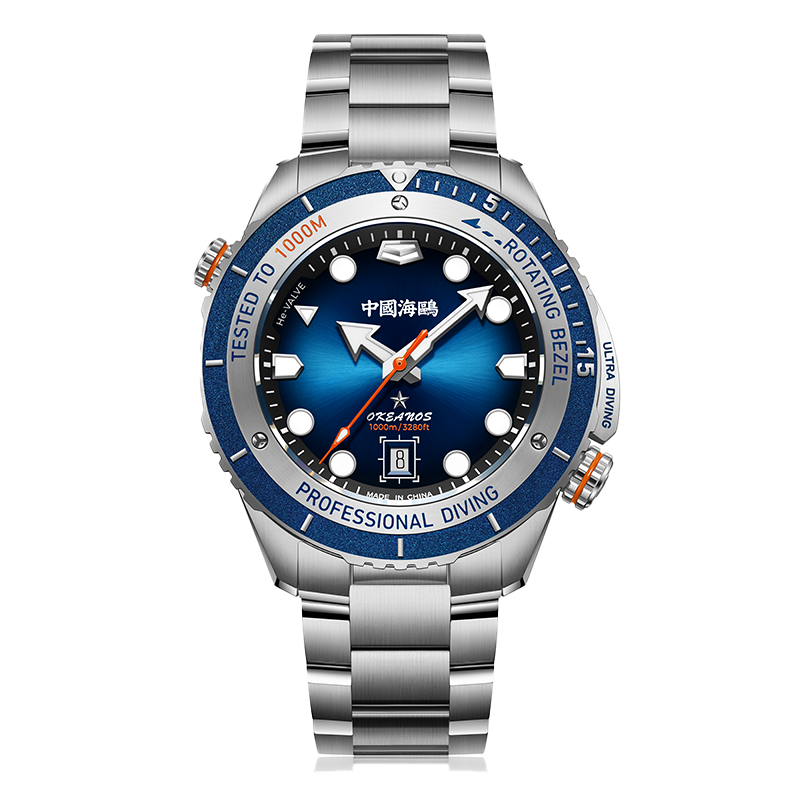
The year 2025 marks the 70th anniversary of the revival of China’s modern watchmaking industry—and, by extension, the 70th anniversary of Seagull Watch, the country’s most historically consequential manufacturer. Few industrial narratives illustrate accelerated technological catch-up as clearly as this one.

China’s first wristwatch, the Five-Star Watch, was produced in 1955. Eleven years later, in 1966, Seagull introduced the Dongfeng (“East Wind”) watch—the first wristwatch entirely designed and manufactured in China without reliance on imported movements. What followed over the next four decades was an unusually compressed evolution: by 2007, China had produced its first double tourbillon wristwatch and its first minute repeater; by 2009, it had combined the minute repeater, tourbillon and perpetual calendar into a single high-complication timepiece.
Measured by global watchmaking standards, such progress typically takes centuries rather than decades.
Earlier this year, discussion around the reissue of the Five-Star Watch revisited the symbolic importance of China’s first step from nothing to something. The re-edition of the Dongfeng offers a different lens—one focused not on origin, but on independence. The 1960s marked the moment when Chinese watchmaking ceased to imitate and began to internalise.

When Seagull released the original Dongfeng in 1966, it decisively broke dependence on imported calibres. By 1973, under the newly adopted “Seagull” trademark, the Dongfeng became China’s first exported wristwatch. For overseas Chinese at the time, wearing a domestically made watch with Chinese characters on the dial was not merely functional—it was ideological. As one contemporary observer put it, “to wear a Chinese-made watch was a source of pride.”

The modern reissue of the Dongfeng is less nostalgic than strategic. Seagull has introduced two high-spec versions alongside four classic models, all of them firmly anchored in military-inspired design. This is not a superficial aesthetic choice. Seagull was among China’s earliest manufacturers of military timepieces and once undertook the development of the PLA’s first military chronograph timer. The original Dongfeng itself was engineered to military specifications.

That lineage informs the new models. The watches are designed with operational scenarios in mind: low reflectivity, legibility under stress, physical protection of key components. With the exception of the “Tactical Planning” edition, all models feature a central crosshair motif on the dial—an explicit reference to optical targeting systems.

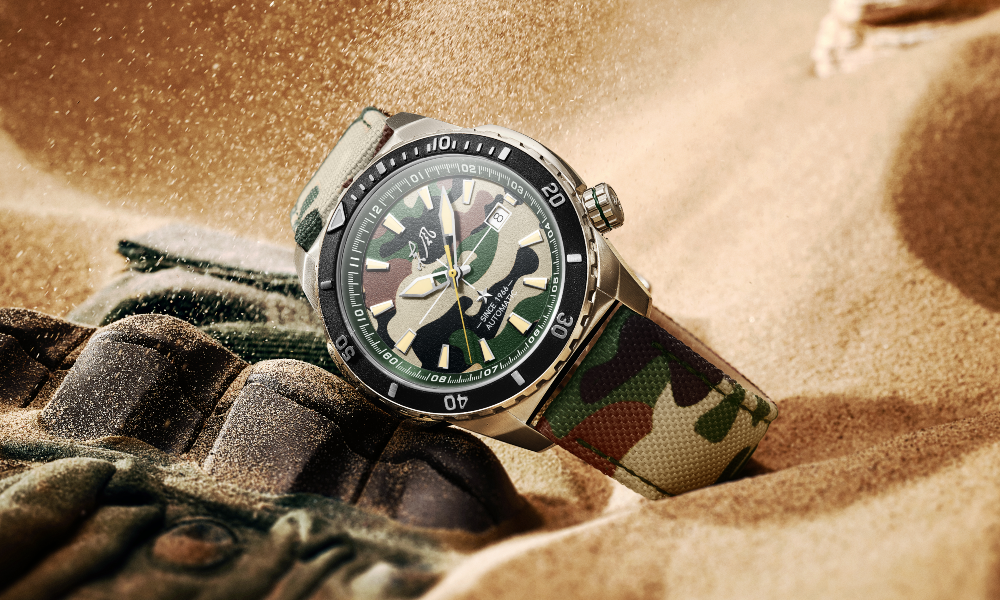
The high-spec versions adopt a 45mm 316L stainless-steel case with a matte brushed finish, paired with a unidirectional matte bezel. The dial is carbon fibre, chosen not for visual drama but for its subdued, light-absorbing texture. Standard editions use a spark-pattern dial, similarly non-reflective. In bright outdoor conditions—whether on a mountainside or in open desert—the design prioritises concealment as much as clarity.

The grenade-shaped crown at 4 o’clock is both symbolic and practical. Positioned away from the wrist’s pressure points, it remains operable even with gloves and is better protected against impact. An additional crown at 2 o’clock controls an internal 24-hour ring, reducing the risk of misreading time at night. Protective shoulders between the crowns further shield the movement in extreme environments.

Two of the high-spec variants integrate directional markers and Morse-code elements into the 24-hour ring—features that are more evocative than essential, but consistent with the watch’s tactical narrative.

Across all versions, legibility is prioritised through broad sword-style hands, applied hour markers and generous application of high-performance luminous material. A date window at 3 o’clock adds everyday utility, while the script-style “Dongfeng” logo beneath 12 o’clock directly references the original model.


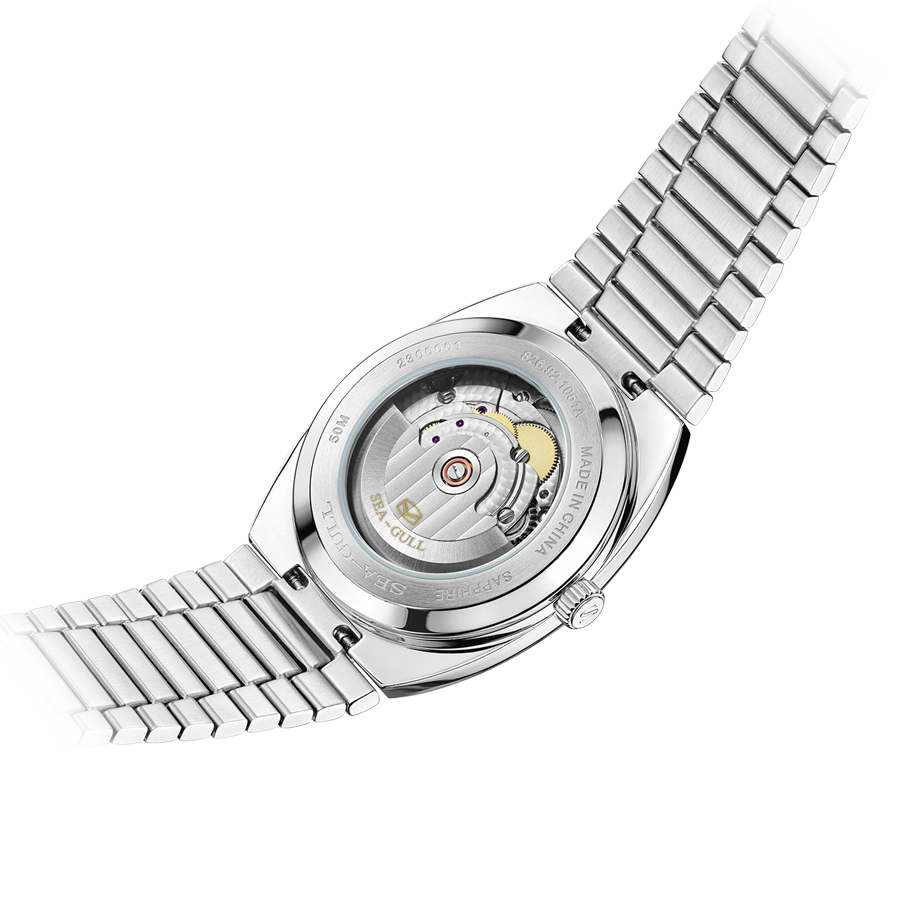
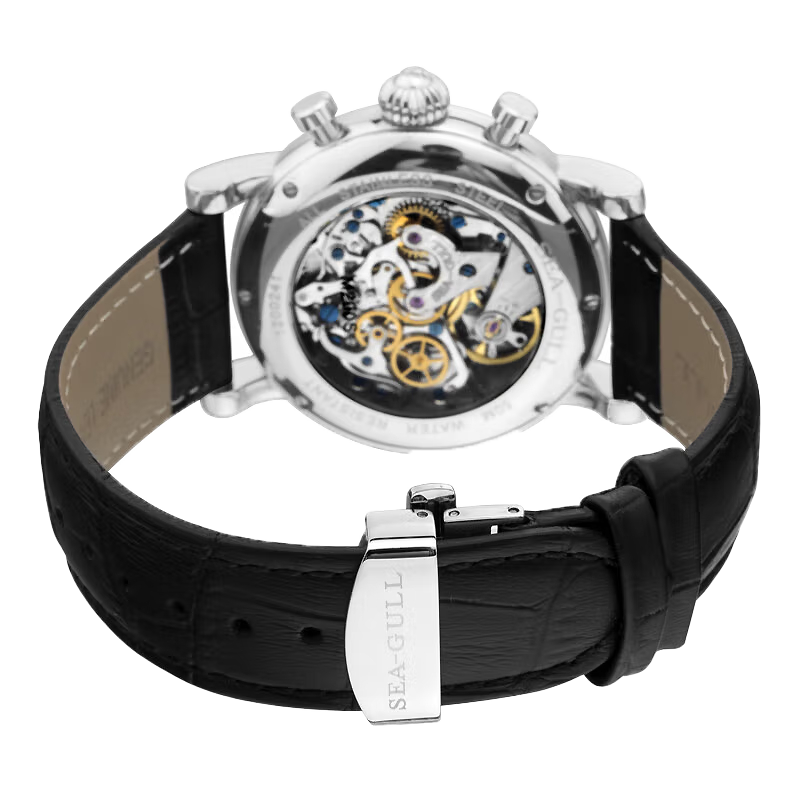
Durability extends to materials. The crystal is sapphire with a Mohs hardness rating of 9, offering superior scratch resistance. Caseback treatment differs by version: the high-spec models retain a solid caseback, engraved with an oversized emblem in keeping with the original Dongfeng, while standard models adopt a sapphire display back for a more contemporary appeal.

Powering the watch is Seagull’s in-house ST2130 automatic movement, operating at 28,800 vibrations per hour with 28 jewels and a power reserve of approximately 42 hours. Water resistance is rated at 100 metres—adequate for most outdoor and sporting use.

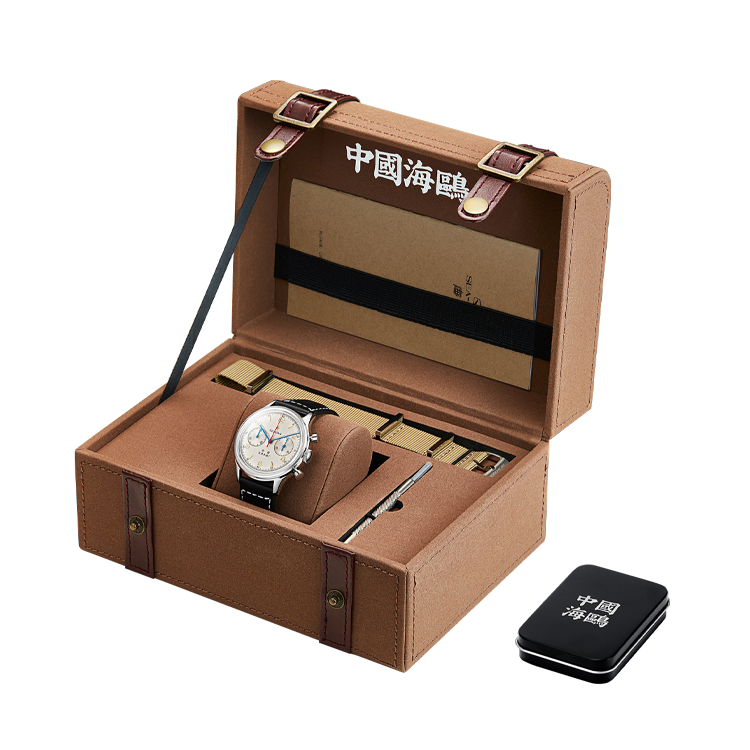
Even the packaging reinforces the theme. Inspired by military equipment crates, the presentation box underscores the watch’s utilitarian ethos. An additional nylon strap is included, allowing the wearer to shift between styles without tools.

Seagull’s history is inseparable from China’s military-industrial development, and that influence remains embedded in its design philosophy. The new Dongfeng is not an exercise in retro styling, but a reinterpretation—one that disassembles a historical milestone and reassembles it using contemporary materials, movements and expectations.